Step 01 / Governance and responsibility
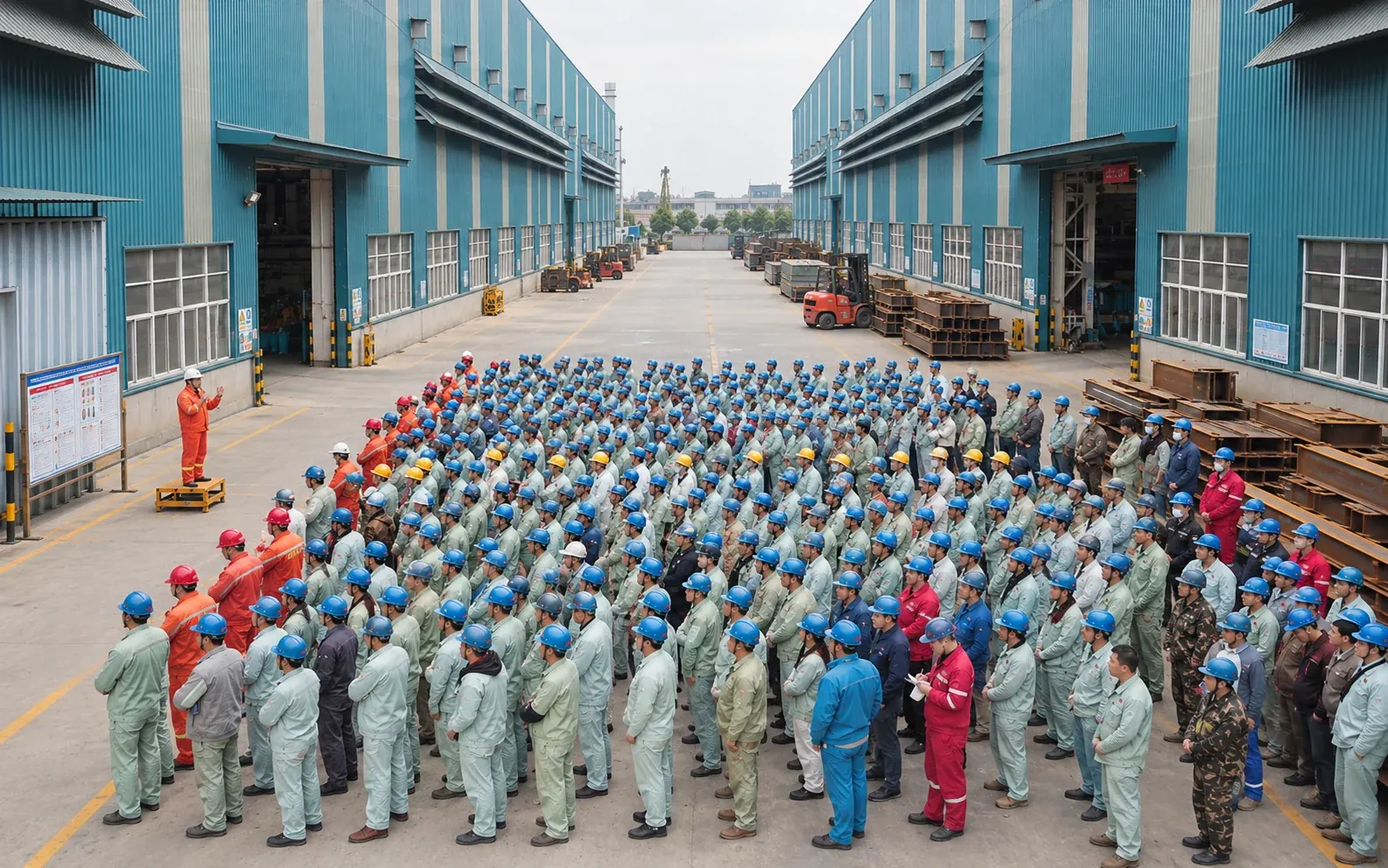
Bring responsibility into daily work.
Clear responsibilities and coordination across quality, technical, production and HSE teams connect responsible manufacturing, environmental protection and employee well-being with everyday decisions.
Management priorities
- ✓Clear responsibilities
- ✓Cross-functional coordination
- ✓Continual improvement
Step 02 / Risk assessment and control
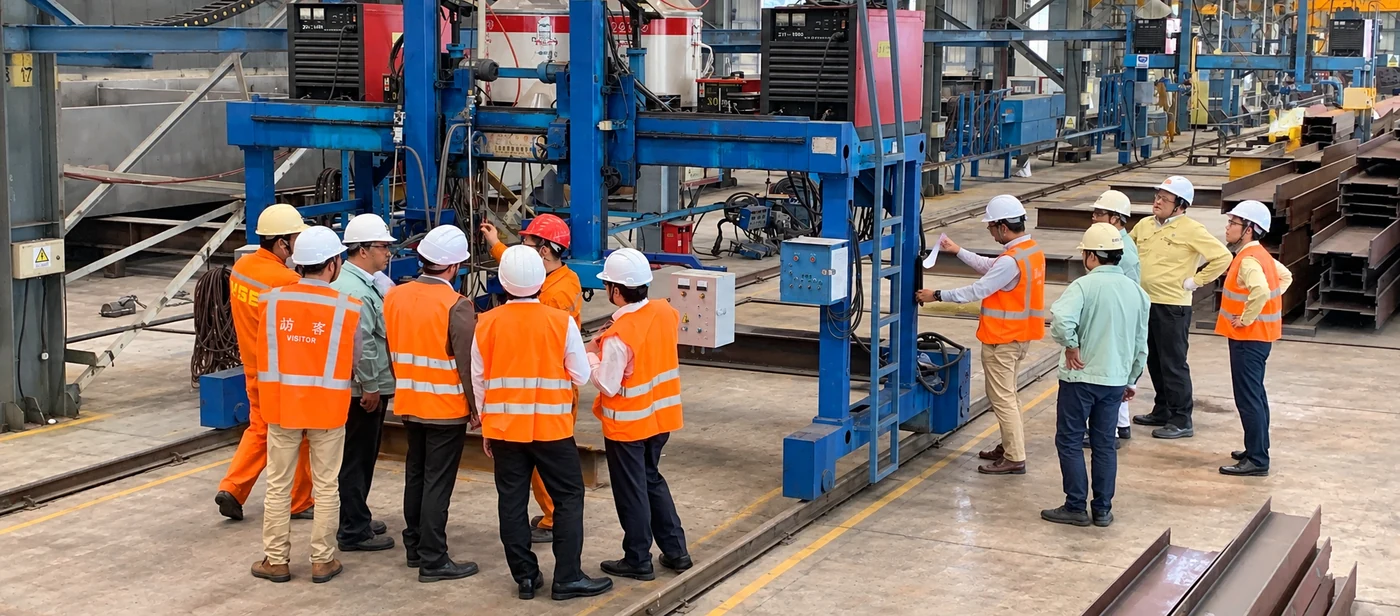
Identify hazards. Define the controls.
Identify workplace hazards, assess occupational health and safety risks and define practical controls. Risk-based planning helps teams prepare for routine work and unexpected situations.
Management priorities
- ✓Hazard identification
- ✓Health and safety risk assessment
- ✓Control measures
Step 03 / Workplace and environmental monitoring
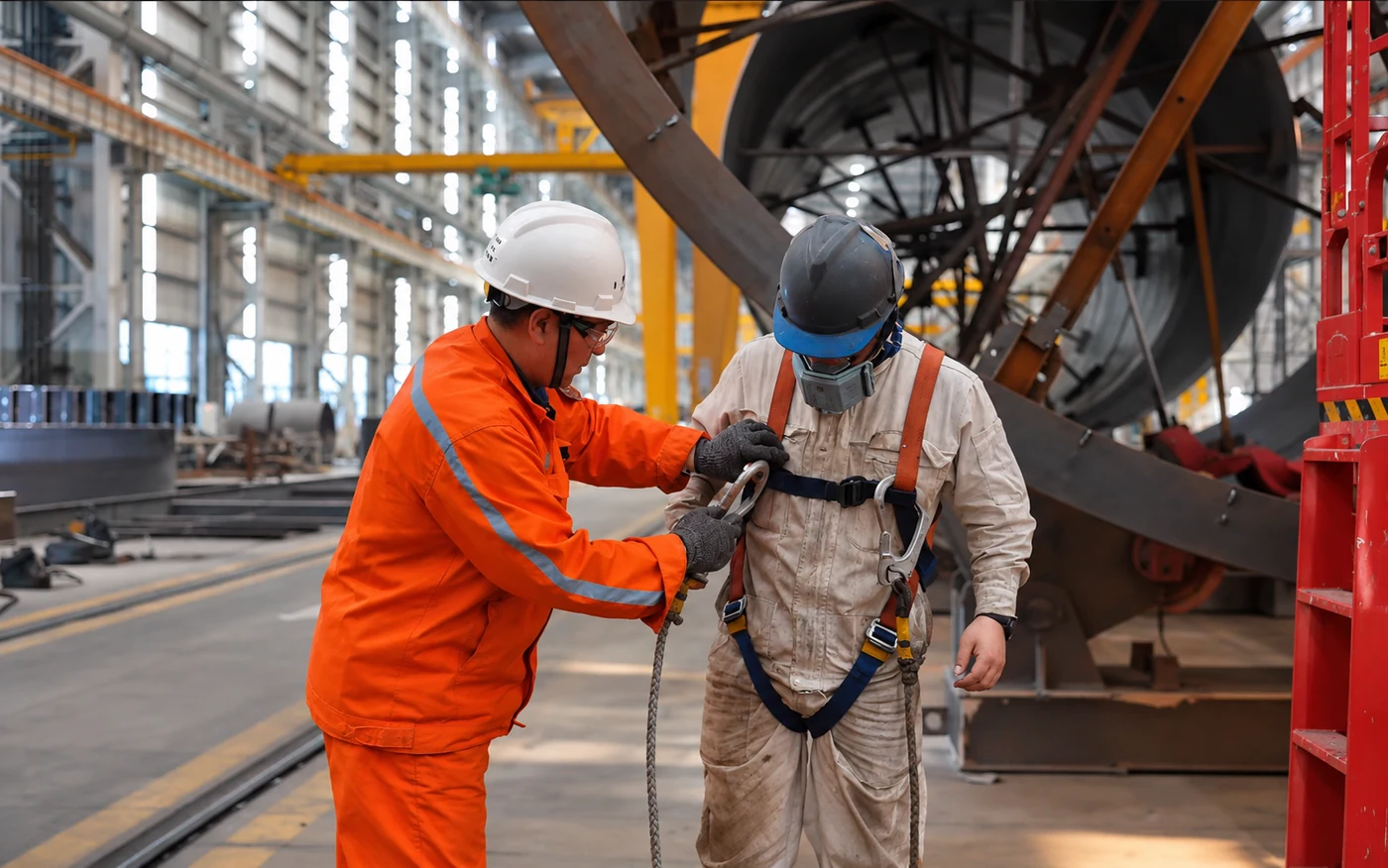
Look closely at the working environment.
Workplace monitoring focuses on chemical hazards and physical factors, while environmental monitoring considers water discharge, emissions and noise. Occupational health surveillance helps identify concerns and supports appropriate action.
Management priorities
- ✓Workplace chemical and physical factors
- ✓Water, emissions and noise
- ✓Occupational health examinations
Step 04 / Operational improvement
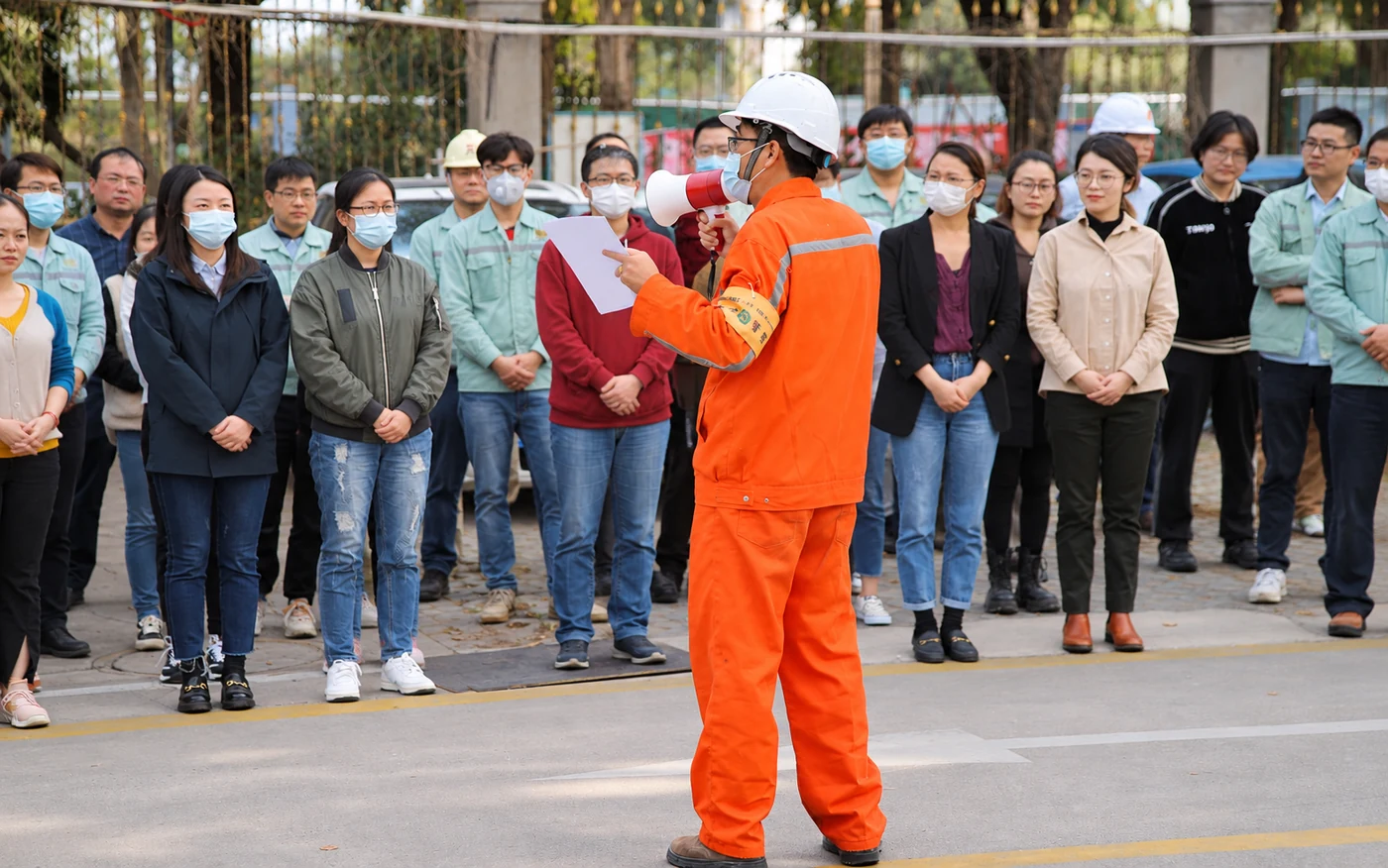
Reduce rework, waste and resource use.
Efficient engineering, careful procurement and resource-conscious production help reduce rework and manufacturing waste. Improvement priorities include energy-efficient equipment, emission control and tracking water use.
Management priorities
- ✓Efficient engineering
- ✓Resource-efficient equipment
- ✓Waste and emission reduction